The Sea We Could Lose: On Black Sea Day, a Look at Its Vulnerability and Its Chance to Recover
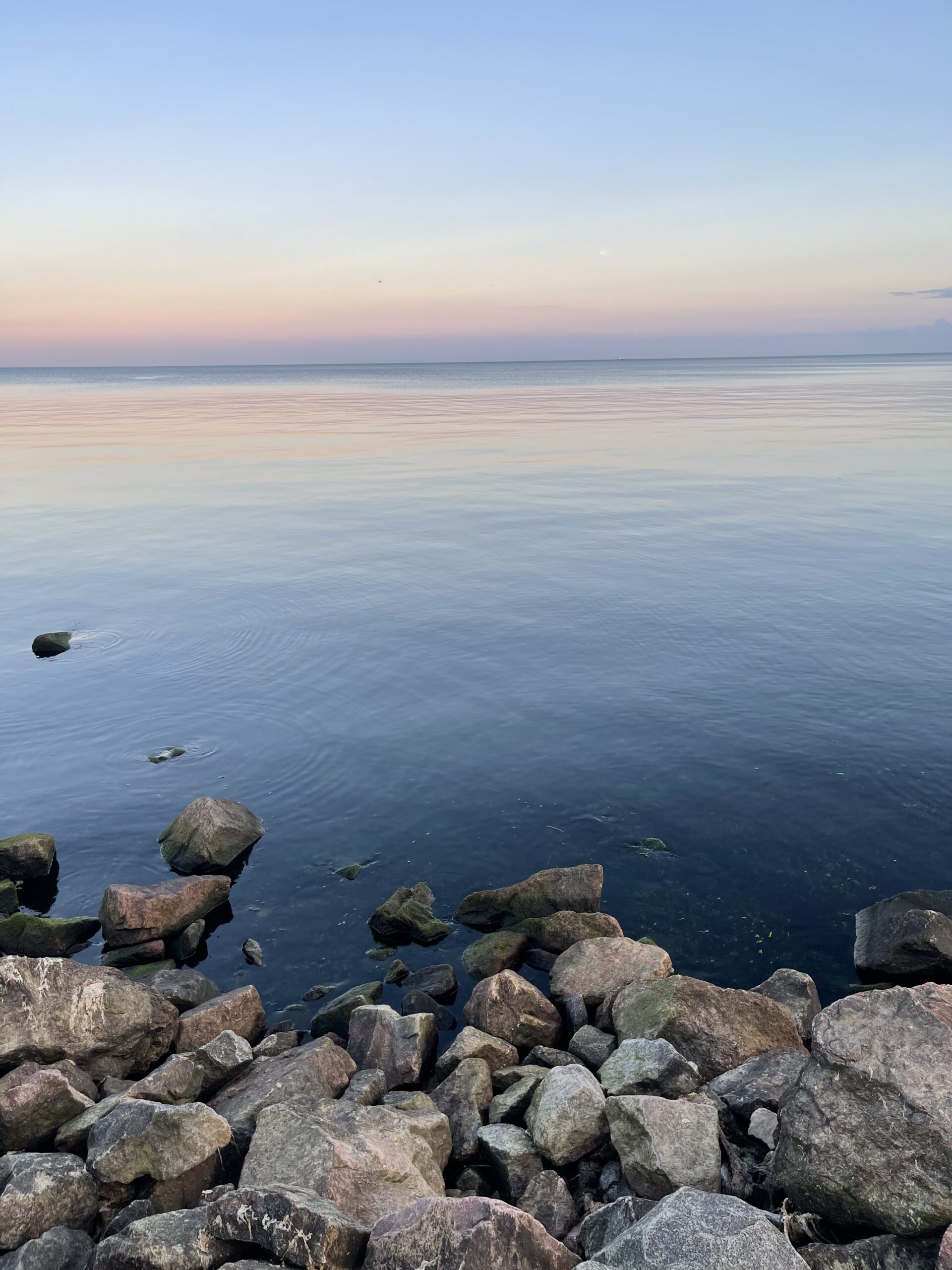
On 31 October 1996, six Black Sea countries signed the Strategic Action Plan for the Rehabilitation and Protection of the Black Sea. The date is marked each year as International Black Sea Day. In 2026, it has been 30 years since those countries made a shared commitment to protect an ecosystem that sustains coastal communities and supports fisheries and recreation for millions of people.
Russia’s war has compounded long-standing problems. It has brought mines, destroyed infrastructure, created new sources of pollution and made research harder. To understand the scale of these threats, it helps to start with what makes the Black Sea so vulnerable.
The Black Sea has a distinctive structure. Its layers differ in salinity and density and mix very little. As a result, only limited amounts of oxygen from the surface reach deeper waters. Much of the deep water is naturally oxygen-free and contains hydrogen sulphide.
Fish, dolphins and most familiar marine animals depend on the oxygen-rich upper layer. Other forms of life, mainly microorganisms, live deeper down. Describing the depths as entirely ‘dead’ oversimplifies what happens there.
The natural absence of oxygen in deep waters is distinct from oxygen depletion in shallow waters, which pollution can worsen. Coastal waters and the continental shelf are particularly affected by substances carried into the sea from land.
The Danube, Dniester and Dnipro connect the Black Sea to vast areas of Europe. These rivers carry substances from cities, industrial sites and farmland. The health of the sea therefore depends in part on what happens far from its shores.
One problem is an excess of nitrogen and phosphorus compounds. Aquatic organisms need these nutrients, but an oversupply fuels algal growth. When large amounts of organic matter die and decompose, the process uses up oxygen, making conditions worse for fish and animals that live on the seabed.
This process is called eutrophication. It can change which species live in an ecosystem, reduce water quality and limit fishing and recreation. Wastewater and agricultural runoff are among the sources of excess nutrients.
Protecting the sea therefore starts with practical measures on land, including treating wastewater, keeping sewer systems in good working order and reducing fertiliser runoff from fields.
Litter on the beach is only the visible part of the problem. Some waste floats in the water, while some settles on the seabed.
According to EMBLAS research conducted from 2017 to 2019 and presented by the United Nations Development Programme in 2019, plastic accounted for 83% of the litter found in the Black Sea. It included bottles, packaging and bags. Researchers detected microplastics in seabed sediments both on the continental shelf and at depths of more than 2,000 metres. The findings cover a specific period and show how far waste can spread from where it first enters the sea.
Coastal clean-ups remove some litter before it washes back into the water. In the long term, less waste needs to reach the sea through rivers and urban drainage systems or directly from the shore.
According to the European Environment Agency, the Black Sea’s surface temperature rose by approximately 0.5°C per decade between 1991 and 2025.
Temperature changes affect the metabolism, distribution and seasonal cycles of marine organisms. For species sensitive to these changes, warming puts additional pressure on their habitats.
Warming also makes oxygen depletion worse. Warmer water holds less dissolved oxygen, while organisms may need more of it. More pronounced layering further limits the exchange of water between the surface and deeper layers.
These processes compound the effects of pollution and other pressures, making it harder for the ecosystem to recover.
The Kakhovka Reservoir
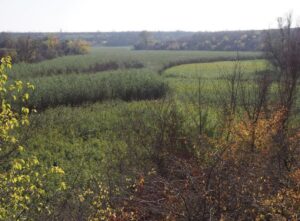
The destruction of the Kakhovka Dam on 6 June 2023 was a disaster that affected areas both upstream and downstream along the Dnipro and reached the marine environment.
An assessment by the United Nations Environment Programme examined chemical contamination, the spread of waste, changes in water flows and damage to protected areas. Experts warned that the consequences would be felt for decades and far beyond Ukraine’s borders. They assessed some of the damage as irreversible.
Marine animals are also exposed to explosions, underwater noise, mines and pollution. In a Greenpeace Ukraine article, marine biologist Pavlo Goldin describes new episodes of elevated cetacean mortality during Russia’s full-scale war. He stresses that each episode needs to be investigated separately, as the causes can be complex and several factors may be involved.
To help the sea recover, researchers need to know which substances entered the water, where they accumulated and how they affect living organisms. These data are needed both to choose conservation measures and to document the damage.
The Black Sea’s history offers grounds for cautious hope. The International Commission for the Protection of the Danube River describes improvements in the western Black Sea after the ecological crisis of the late 1980s and early 1990s.
As fewer nutrients entered the sea, eutrophication eased, algal blooms declined and seabed communities recovered. Fish stocks remained out of balance, partly because of overfishing. This experience shows that reducing a specific pressure can lead to measurable ecological improvements.
Priorities today include treating wastewater, reducing the amount of waste entering the sea, fishing responsibly, protecting ecologically important marine areas and maintaining long-term scientific monitoring. For Ukraine, they also include mine clearance and assessing the consequences of the war.
Share this content:



Post Comment